forked from Github/frigate
Compare commits
12 Commits
v0.5.0-rc3
...
v0.5.0-rc7
| Author | SHA1 | Date | |
|---|---|---|---|

|
0e6eca7cd6 | ||
|
|
91415f7e9d | ||
|
|
0f66a8cb41 | ||
|
|
04ef6ac30e | ||
|
|
ab42a9625d | ||
|
|
30ad0e30f8 | ||
|
|
7bad89c9bf | ||
|
|
f077c397f4 | ||
|
|
cc729d83a8 | ||
|
|
c520b81e49 | ||
|
|
9c304391c0 | ||
|
|
9a12b02d22 |
@@ -38,9 +38,9 @@ RUN apt -qq update && apt -qq install --no-install-recommends -y \
|
||||
&& apt -qq install --no-install-recommends -y \
|
||||
libedgetpu1-max \
|
||||
## Tensorflow lite (python 3.7 only)
|
||||
&& wget -q https://dl.google.com/coral/python/tflite_runtime-2.1.0-cp37-cp37m-linux_x86_64.whl \
|
||||
&& python3.7 -m pip install tflite_runtime-2.1.0-cp37-cp37m-linux_x86_64.whl \
|
||||
&& rm tflite_runtime-2.1.0-cp37-cp37m-linux_x86_64.whl \
|
||||
&& wget -q https://dl.google.com/coral/python/tflite_runtime-2.1.0.post1-cp37-cp37m-linux_x86_64.whl \
|
||||
&& python3.7 -m pip install tflite_runtime-2.1.0.post1-cp37-cp37m-linux_x86_64.whl \
|
||||
&& rm tflite_runtime-2.1.0.post1-cp37-cp37m-linux_x86_64.whl \
|
||||
&& rm -rf /var/lib/apt/lists/* \
|
||||
&& (apt-get autoremove -y; apt-get autoclean -y)
|
||||
|
||||
|
||||
19
README.md
19
README.md
@@ -16,16 +16,6 @@ You see multiple bounding boxes because it draws bounding boxes from all frames
|
||||
[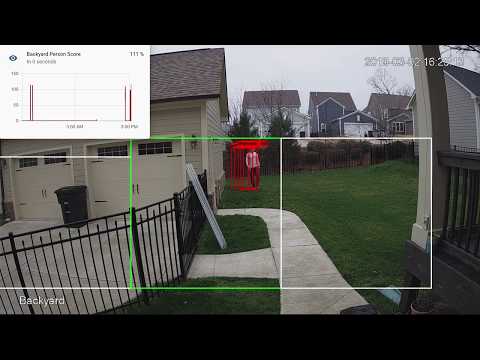](http://www.youtube.com/watch?v=nqHbCtyo4dY "Frigate")
|
||||
|
||||
## Getting Started
|
||||
Build the container with
|
||||
```
|
||||
docker build -t frigate .
|
||||
```
|
||||
|
||||
Models for both CPU and EdgeTPU (Coral) are bundled in the image. You can use your own models with volume mounts:
|
||||
- CPU Model: `/cpu_model.tflite`
|
||||
- EdgeTPU Model: `/edgetpu_model.tflite`
|
||||
- Labels: `/labelmap.txt`
|
||||
|
||||
Run the container with
|
||||
```bash
|
||||
docker run --rm \
|
||||
@@ -36,7 +26,7 @@ docker run --rm \
|
||||
-v /etc/localtime:/etc/localtime:ro \
|
||||
-p 5000:5000 \
|
||||
-e FRIGATE_RTSP_PASSWORD='password' \
|
||||
frigate:latest
|
||||
blakeblackshear/frigate:stable
|
||||
```
|
||||
|
||||
Example docker-compose:
|
||||
@@ -46,7 +36,7 @@ Example docker-compose:
|
||||
restart: unless-stopped
|
||||
privileged: true
|
||||
shm_size: '1g' # should work for 5-7 cameras
|
||||
image: frigate:latest
|
||||
image: blakeblackshear/frigate:stable
|
||||
volumes:
|
||||
- /dev/bus/usb:/dev/bus/usb
|
||||
- /etc/localtime:/etc/localtime:ro
|
||||
@@ -127,6 +117,11 @@ sensor:
|
||||
value_template: '{{ states.sensor.frigate_debug.attributes["coral"]["inference_speed"] }}'
|
||||
unit_of_measurement: 'ms'
|
||||
```
|
||||
## Using a custom model
|
||||
Models for both CPU and EdgeTPU (Coral) are bundled in the image. You can use your own models with volume mounts:
|
||||
- CPU Model: `/cpu_model.tflite`
|
||||
- EdgeTPU Model: `/edgetpu_model.tflite`
|
||||
- Labels: `/labelmap.txt`
|
||||
|
||||
## Tips
|
||||
- Lower the framerate of the video feed on the camera to reduce the CPU usage for capturing the feed
|
||||
|
||||
85
benchmark.py
85
benchmark.py
@@ -1,18 +1,79 @@
|
||||
import statistics
|
||||
import os
|
||||
from statistics import mean
|
||||
import multiprocessing as mp
|
||||
import numpy as np
|
||||
import time
|
||||
from frigate.edgetpu import ObjectDetector
|
||||
import datetime
|
||||
from frigate.edgetpu import ObjectDetector, EdgeTPUProcess, RemoteObjectDetector, load_labels
|
||||
|
||||
object_detector = ObjectDetector()
|
||||
my_frame = np.expand_dims(np.full((300,300,3), 1, np.uint8), axis=0)
|
||||
labels = load_labels('/labelmap.txt')
|
||||
|
||||
frame = np.zeros((300,300,3), np.uint8)
|
||||
input_frame = np.expand_dims(frame, axis=0)
|
||||
######
|
||||
# Minimal same process runner
|
||||
######
|
||||
# object_detector = ObjectDetector()
|
||||
# tensor_input = np.expand_dims(np.full((300,300,3), 0, np.uint8), axis=0)
|
||||
|
||||
detection_times = []
|
||||
# start = datetime.datetime.now().timestamp()
|
||||
|
||||
for x in range(0, 100):
|
||||
start = time.monotonic()
|
||||
object_detector.detect_raw(input_frame)
|
||||
detection_times.append(time.monotonic()-start)
|
||||
# frame_times = []
|
||||
# for x in range(0, 1000):
|
||||
# start_frame = datetime.datetime.now().timestamp()
|
||||
|
||||
print(f"Average inference time: {statistics.mean(detection_times)*1000:.2f}ms")
|
||||
# tensor_input[:] = my_frame
|
||||
# detections = object_detector.detect_raw(tensor_input)
|
||||
# parsed_detections = []
|
||||
# for d in detections:
|
||||
# if d[1] < 0.4:
|
||||
# break
|
||||
# parsed_detections.append((
|
||||
# labels[int(d[0])],
|
||||
# float(d[1]),
|
||||
# (d[2], d[3], d[4], d[5])
|
||||
# ))
|
||||
# frame_times.append(datetime.datetime.now().timestamp()-start_frame)
|
||||
|
||||
# duration = datetime.datetime.now().timestamp()-start
|
||||
# print(f"Processed for {duration:.2f} seconds.")
|
||||
# print(f"Average frame processing time: {mean(frame_times)*1000:.2f}ms")
|
||||
|
||||
######
|
||||
# Separate process runner
|
||||
######
|
||||
def start(id, num_detections, detection_queue):
|
||||
object_detector = RemoteObjectDetector(str(id), '/labelmap.txt', detection_queue)
|
||||
start = datetime.datetime.now().timestamp()
|
||||
|
||||
frame_times = []
|
||||
for x in range(0, num_detections):
|
||||
start_frame = datetime.datetime.now().timestamp()
|
||||
detections = object_detector.detect(my_frame)
|
||||
frame_times.append(datetime.datetime.now().timestamp()-start_frame)
|
||||
|
||||
duration = datetime.datetime.now().timestamp()-start
|
||||
print(f"{id} - Processed for {duration:.2f} seconds.")
|
||||
print(f"{id} - Average frame processing time: {mean(frame_times)*1000:.2f}ms")
|
||||
|
||||
edgetpu_process = EdgeTPUProcess()
|
||||
|
||||
# start(1, 1000, edgetpu_process.detect_lock, edgetpu_process.detect_ready, edgetpu_process.frame_ready)
|
||||
|
||||
####
|
||||
# Multiple camera processes
|
||||
####
|
||||
camera_processes = []
|
||||
for x in range(0, 10):
|
||||
camera_process = mp.Process(target=start, args=(x, 100, edgetpu_process.detection_queue))
|
||||
camera_process.daemon = True
|
||||
camera_processes.append(camera_process)
|
||||
|
||||
start = datetime.datetime.now().timestamp()
|
||||
|
||||
for p in camera_processes:
|
||||
p.start()
|
||||
|
||||
for p in camera_processes:
|
||||
p.join()
|
||||
|
||||
duration = datetime.datetime.now().timestamp()-start
|
||||
print(f"Total - Processed for {duration:.2f} seconds.")
|
||||
@@ -3,9 +3,13 @@ web_port: 5000
|
||||
mqtt:
|
||||
host: mqtt.server.com
|
||||
topic_prefix: frigate
|
||||
# client_id: frigate # Optional -- set to override default client id of 'frigate' if running multiple instances
|
||||
# user: username # Optional -- Uncomment for use
|
||||
# password: password # Optional -- Uncomment for use
|
||||
# client_id: frigate # Optional -- set to override default client id of 'frigate' if running multiple instances
|
||||
# user: username # Optional
|
||||
#################
|
||||
## Environment variables that begin with 'FRIGATE_' may be referenced in {}.
|
||||
## password: '{FRIGATE_MQTT_PASSWORD}'
|
||||
#################
|
||||
# password: password # Optional
|
||||
|
||||
#################
|
||||
# Default ffmpeg args. Optional and can be overwritten per camera.
|
||||
|
||||
@@ -1,3 +1,4 @@
|
||||
import os
|
||||
import cv2
|
||||
import time
|
||||
import datetime
|
||||
@@ -16,6 +17,8 @@ from frigate.object_processing import TrackedObjectProcessor
|
||||
from frigate.util import EventsPerSecond
|
||||
from frigate.edgetpu import EdgeTPUProcess
|
||||
|
||||
FRIGATE_VARS = {k: v for k, v in os.environ.items() if k.startswith('FRIGATE_')}
|
||||
|
||||
with open('/config/config.yml') as f:
|
||||
CONFIG = yaml.safe_load(f)
|
||||
|
||||
@@ -24,6 +27,8 @@ MQTT_PORT = CONFIG.get('mqtt', {}).get('port', 1883)
|
||||
MQTT_TOPIC_PREFIX = CONFIG.get('mqtt', {}).get('topic_prefix', 'frigate')
|
||||
MQTT_USER = CONFIG.get('mqtt', {}).get('user')
|
||||
MQTT_PASS = CONFIG.get('mqtt', {}).get('password')
|
||||
if not MQTT_PASS is None:
|
||||
MQTT_PASS = MQTT_PASS.format(**FRIGATE_VARS)
|
||||
MQTT_CLIENT_ID = CONFIG.get('mqtt', {}).get('client_id', 'frigate')
|
||||
|
||||
# Set the default FFmpeg config
|
||||
@@ -31,7 +36,7 @@ FFMPEG_CONFIG = CONFIG.get('ffmpeg', {})
|
||||
FFMPEG_DEFAULT_CONFIG = {
|
||||
'global_args': FFMPEG_CONFIG.get('global_args',
|
||||
['-hide_banner','-loglevel','panic']),
|
||||
'hwaccel_args': FFMPEG_CONFIG.get('hwaccel_args',
|
||||
'hwaccel_args': FFMPEG_CONFIG.get('hwaccel_args',
|
||||
[]),
|
||||
'input_args': FFMPEG_CONFIG.get('input_args',
|
||||
['-avoid_negative_ts', 'make_zero',
|
||||
@@ -68,27 +73,21 @@ class CameraWatchdog(threading.Thread):
|
||||
# wait a bit before checking
|
||||
time.sleep(30)
|
||||
|
||||
if (self.tflite_process.detection_start.value > 0.0 and
|
||||
datetime.datetime.now().timestamp() - self.tflite_process.detection_start.value > 10):
|
||||
print("Detection appears to be stuck. Restarting detection process")
|
||||
self.tflite_process.start_or_restart()
|
||||
time.sleep(30)
|
||||
|
||||
for name, camera_process in self.camera_processes.items():
|
||||
process = camera_process['process']
|
||||
if (not self.object_processor.get_current_frame_time(name) is None and
|
||||
(datetime.datetime.now().timestamp() - self.object_processor.get_current_frame_time(name)) > 30):
|
||||
print(f"Last frame for {name} is more than 30 seconds old...")
|
||||
if process.is_alive():
|
||||
process.terminate()
|
||||
print("Waiting for process to exit gracefully...")
|
||||
process.join(timeout=30)
|
||||
if process.exitcode is None:
|
||||
print("Process didnt exit. Force killing...")
|
||||
process.kill()
|
||||
process.join()
|
||||
if not process.is_alive():
|
||||
print(f"Process for {name} is not alive. Starting again...")
|
||||
camera_process['fps'].value = float(self.config[name]['fps'])
|
||||
camera_process['skipped_fps'].value = 0.0
|
||||
camera_process['detection_fps'].value = 0.0
|
||||
self.object_processor.camera_data[name]['current_frame_time'] = None
|
||||
process = mp.Process(target=track_camera, args=(name, self.config[name], FFMPEG_DEFAULT_CONFIG, GLOBAL_OBJECT_CONFIG,
|
||||
self.tflite_process.detect_lock, self.tflite_process.detect_ready, self.tflite_process.frame_ready, self.tracked_objects_queue,
|
||||
self.tflite_process.detection_queue, self.tracked_objects_queue,
|
||||
camera_process['fps'], camera_process['skipped_fps'], camera_process['detection_fps']))
|
||||
process.daemon = True
|
||||
camera_process['process'] = process
|
||||
@@ -150,7 +149,7 @@ def main():
|
||||
'detection_fps': mp.Value('d', 0.0)
|
||||
}
|
||||
camera_process = mp.Process(target=track_camera, args=(name, config, FFMPEG_DEFAULT_CONFIG, GLOBAL_OBJECT_CONFIG,
|
||||
tflite_process.detect_lock, tflite_process.detect_ready, tflite_process.frame_ready, tracked_objects_queue,
|
||||
tflite_process.detection_queue, tracked_objects_queue,
|
||||
camera_processes[name]['fps'], camera_processes[name]['skipped_fps'], camera_processes[name]['detection_fps']))
|
||||
camera_process.daemon = True
|
||||
camera_processes[name]['process'] = camera_process
|
||||
@@ -184,14 +183,16 @@ def main():
|
||||
for name, camera_stats in camera_processes.items():
|
||||
total_detection_fps += camera_stats['detection_fps'].value
|
||||
stats[name] = {
|
||||
'fps': camera_stats['fps'].value,
|
||||
'skipped_fps': camera_stats['skipped_fps'].value,
|
||||
'detection_fps': camera_stats['detection_fps'].value
|
||||
'fps': round(camera_stats['fps'].value, 2),
|
||||
'skipped_fps': round(camera_stats['skipped_fps'].value, 2),
|
||||
'detection_fps': round(camera_stats['detection_fps'].value, 2)
|
||||
}
|
||||
|
||||
stats['coral'] = {
|
||||
'fps': total_detection_fps,
|
||||
'inference_speed': round(tflite_process.avg_inference_speed.value*1000, 2)
|
||||
'fps': round(total_detection_fps, 2),
|
||||
'inference_speed': round(tflite_process.avg_inference_speed.value*1000, 2),
|
||||
'detection_queue': tflite_process.detection_queue.qsize(),
|
||||
'detection_start': tflite_process.detection_start.value
|
||||
}
|
||||
|
||||
rc = plasma_process.poll()
|
||||
|
||||
@@ -1,8 +1,10 @@
|
||||
import os
|
||||
import datetime
|
||||
import hashlib
|
||||
import multiprocessing as mp
|
||||
import numpy as np
|
||||
import SharedArray as sa
|
||||
import pyarrow.plasma as plasma
|
||||
import tflite_runtime.interpreter as tflite
|
||||
from tflite_runtime.interpreter import load_delegate
|
||||
from frigate.util import EventsPerSecond
|
||||
@@ -60,77 +62,81 @@ class ObjectDetector():
|
||||
|
||||
return detections
|
||||
|
||||
def run_detector(detection_queue, avg_speed, start):
|
||||
print(f"Starting detection process: {os.getpid()}")
|
||||
plasma_client = plasma.connect("/tmp/plasma")
|
||||
object_detector = ObjectDetector()
|
||||
|
||||
while True:
|
||||
object_id_str = detection_queue.get()
|
||||
object_id_hash = hashlib.sha1(str.encode(object_id_str))
|
||||
object_id = plasma.ObjectID(object_id_hash.digest())
|
||||
object_id_out = plasma.ObjectID(hashlib.sha1(str.encode(f"out-{object_id_str}")).digest())
|
||||
input_frame = plasma_client.get(object_id, timeout_ms=0)
|
||||
|
||||
if input_frame is plasma.ObjectNotAvailable:
|
||||
continue
|
||||
|
||||
# detect and put the output in the plasma store
|
||||
start.value = datetime.datetime.now().timestamp()
|
||||
plasma_client.put(object_detector.detect_raw(input_frame), object_id_out)
|
||||
duration = datetime.datetime.now().timestamp()-start.value
|
||||
start.value = 0.0
|
||||
|
||||
avg_speed.value = (avg_speed.value*9 + duration)/10
|
||||
|
||||
class EdgeTPUProcess():
|
||||
def __init__(self):
|
||||
# TODO: see if we can use the plasma store with a queue and maintain the same speeds
|
||||
try:
|
||||
sa.delete("frame")
|
||||
except:
|
||||
pass
|
||||
try:
|
||||
sa.delete("detections")
|
||||
except:
|
||||
pass
|
||||
|
||||
self.input_frame = sa.create("frame", shape=(1,300,300,3), dtype=np.uint8)
|
||||
self.detections = sa.create("detections", shape=(20,6), dtype=np.float32)
|
||||
|
||||
self.detect_lock = mp.Lock()
|
||||
self.detect_ready = mp.Event()
|
||||
self.frame_ready = mp.Event()
|
||||
self.detection_queue = mp.Queue()
|
||||
self.avg_inference_speed = mp.Value('d', 0.01)
|
||||
self.detection_start = mp.Value('d', 0.0)
|
||||
self.detect_process = None
|
||||
self.start_or_restart()
|
||||
|
||||
def run_detector(detect_ready, frame_ready, avg_speed):
|
||||
print(f"Starting detection process: {os.getpid()}")
|
||||
object_detector = ObjectDetector()
|
||||
input_frame = sa.attach("frame")
|
||||
detections = sa.attach("detections")
|
||||
|
||||
while True:
|
||||
# wait until a frame is ready
|
||||
frame_ready.wait()
|
||||
start = datetime.datetime.now().timestamp()
|
||||
# signal that the process is busy
|
||||
frame_ready.clear()
|
||||
detections[:] = object_detector.detect_raw(input_frame)
|
||||
# signal that the process is ready to detect
|
||||
detect_ready.set()
|
||||
duration = datetime.datetime.now().timestamp()-start
|
||||
avg_speed.value = (avg_speed.value*9 + duration)/10
|
||||
|
||||
self.detect_process = mp.Process(target=run_detector, args=(self.detect_ready, self.frame_ready, self.avg_inference_speed))
|
||||
def start_or_restart(self):
|
||||
self.detection_start.value = 0.0
|
||||
if (not self.detect_process is None) and self.detect_process.is_alive():
|
||||
self.detect_process.terminate()
|
||||
print("Waiting for detection process to exit gracefully...")
|
||||
self.detect_process.join(timeout=30)
|
||||
if self.detect_process.exitcode is None:
|
||||
print("Detection process didnt exit. Force killing...")
|
||||
self.detect_process.kill()
|
||||
self.detect_process.join()
|
||||
self.detect_process = mp.Process(target=run_detector, args=(self.detection_queue, self.avg_inference_speed, self.detection_start))
|
||||
self.detect_process.daemon = True
|
||||
self.detect_process.start()
|
||||
|
||||
class RemoteObjectDetector():
|
||||
def __init__(self, labels, detect_lock, detect_ready, frame_ready):
|
||||
def __init__(self, name, labels, detection_queue):
|
||||
self.labels = load_labels(labels)
|
||||
|
||||
self.input_frame = sa.attach("frame")
|
||||
self.detections = sa.attach("detections")
|
||||
|
||||
self.name = name
|
||||
self.fps = EventsPerSecond()
|
||||
|
||||
self.detect_lock = detect_lock
|
||||
self.detect_ready = detect_ready
|
||||
self.frame_ready = frame_ready
|
||||
self.plasma_client = plasma.connect("/tmp/plasma")
|
||||
self.detection_queue = detection_queue
|
||||
|
||||
def detect(self, tensor_input, threshold=.4):
|
||||
detections = []
|
||||
with self.detect_lock:
|
||||
self.input_frame[:] = tensor_input
|
||||
# unset detections and signal that a frame is ready
|
||||
self.detect_ready.clear()
|
||||
self.frame_ready.set()
|
||||
# wait until the detection process is finished,
|
||||
self.detect_ready.wait()
|
||||
for d in self.detections:
|
||||
if d[1] < threshold:
|
||||
break
|
||||
detections.append((
|
||||
self.labels[int(d[0])],
|
||||
float(d[1]),
|
||||
(d[2], d[3], d[4], d[5])
|
||||
))
|
||||
|
||||
now = f"{self.name}-{str(datetime.datetime.now().timestamp())}"
|
||||
object_id_frame = plasma.ObjectID(hashlib.sha1(str.encode(now)).digest())
|
||||
object_id_detections = plasma.ObjectID(hashlib.sha1(str.encode(f"out-{now}")).digest())
|
||||
self.plasma_client.put(tensor_input, object_id_frame)
|
||||
self.detection_queue.put(now)
|
||||
raw_detections = self.plasma_client.get(object_id_detections, timeout_ms=10000)
|
||||
|
||||
if raw_detections is plasma.ObjectNotAvailable:
|
||||
self.plasma_client.delete([object_id_frame])
|
||||
return detections
|
||||
|
||||
for d in raw_detections:
|
||||
if d[1] < threshold:
|
||||
break
|
||||
detections.append((
|
||||
self.labels[int(d[0])],
|
||||
float(d[1]),
|
||||
(d[2], d[3], d[4], d[5])
|
||||
))
|
||||
self.plasma_client.delete([object_id_frame, object_id_detections])
|
||||
self.fps.update()
|
||||
return detections
|
||||
@@ -34,7 +34,6 @@ class TrackedObjectProcessor(threading.Thread):
|
||||
'best_objects': {},
|
||||
'object_status': defaultdict(lambda: defaultdict(lambda: 'OFF')),
|
||||
'tracked_objects': {},
|
||||
'current_frame_time': None,
|
||||
'current_frame': np.zeros((720,1280,3), np.uint8),
|
||||
'object_id': None
|
||||
})
|
||||
@@ -47,9 +46,6 @@ class TrackedObjectProcessor(threading.Thread):
|
||||
|
||||
def get_current_frame(self, camera):
|
||||
return self.camera_data[camera]['current_frame']
|
||||
|
||||
def get_current_frame_time(self, camera):
|
||||
return self.camera_data[camera]['current_frame_time']
|
||||
|
||||
def run(self):
|
||||
while True:
|
||||
@@ -93,7 +89,6 @@ class TrackedObjectProcessor(threading.Thread):
|
||||
# Set the current frame as ready
|
||||
###
|
||||
self.camera_data[camera]['current_frame'] = current_frame
|
||||
self.camera_data[camera]['current_frame_time'] = frame_time
|
||||
|
||||
# store the object id, so you can delete it at the next loop
|
||||
previous_object_id = self.camera_data[camera]['object_id']
|
||||
|
||||
@@ -98,7 +98,23 @@ def create_tensor_input(frame, region):
|
||||
# Expand dimensions since the model expects images to have shape: [1, 300, 300, 3]
|
||||
return np.expand_dims(cropped_frame, axis=0)
|
||||
|
||||
def track_camera(name, config, ffmpeg_global_config, global_objects_config, detect_lock, detect_ready, frame_ready, detected_objects_queue, fps, skipped_fps, detection_fps):
|
||||
def start_or_restart_ffmpeg(ffmpeg_cmd, frame_size, ffmpeg_process=None):
|
||||
if not ffmpeg_process is None:
|
||||
print("Terminating the existing ffmpeg process...")
|
||||
ffmpeg_process.terminate()
|
||||
try:
|
||||
print("Waiting for ffmpeg to exit gracefully...")
|
||||
ffmpeg_process.wait(timeout=30)
|
||||
except sp.TimeoutExpired:
|
||||
print("FFmpeg didnt exit. Force killing...")
|
||||
ffmpeg_process.kill()
|
||||
ffmpeg_process.wait()
|
||||
|
||||
print("Creating ffmpeg process...")
|
||||
print(" ".join(ffmpeg_cmd))
|
||||
return sp.Popen(ffmpeg_cmd, stdout = sp.PIPE, bufsize=frame_size*10)
|
||||
|
||||
def track_camera(name, config, ffmpeg_global_config, global_objects_config, detection_queue, detected_objects_queue, fps, skipped_fps, detection_fps):
|
||||
print(f"Starting process for {name}: {os.getpid()}")
|
||||
|
||||
# Merge the ffmpeg config with the global config
|
||||
@@ -108,6 +124,13 @@ def track_camera(name, config, ffmpeg_global_config, global_objects_config, dete
|
||||
ffmpeg_hwaccel_args = ffmpeg.get('hwaccel_args', ffmpeg_global_config['hwaccel_args'])
|
||||
ffmpeg_input_args = ffmpeg.get('input_args', ffmpeg_global_config['input_args'])
|
||||
ffmpeg_output_args = ffmpeg.get('output_args', ffmpeg_global_config['output_args'])
|
||||
ffmpeg_cmd = (['ffmpeg'] +
|
||||
ffmpeg_global_args +
|
||||
ffmpeg_hwaccel_args +
|
||||
ffmpeg_input_args +
|
||||
['-i', ffmpeg_input] +
|
||||
ffmpeg_output_args +
|
||||
['pipe:'])
|
||||
|
||||
# Merge the tracked object config with the global config
|
||||
camera_objects_config = config.get('objects', {})
|
||||
@@ -149,21 +172,11 @@ def track_camera(name, config, ffmpeg_global_config, global_objects_config, dete
|
||||
mask[:] = 255
|
||||
|
||||
motion_detector = MotionDetector(frame_shape, mask, resize_factor=6)
|
||||
object_detector = RemoteObjectDetector('/labelmap.txt', detect_lock, detect_ready, frame_ready)
|
||||
object_detector = RemoteObjectDetector(name, '/labelmap.txt', detection_queue)
|
||||
|
||||
object_tracker = ObjectTracker(10)
|
||||
|
||||
ffmpeg_cmd = (['ffmpeg'] +
|
||||
ffmpeg_global_args +
|
||||
ffmpeg_hwaccel_args +
|
||||
ffmpeg_input_args +
|
||||
['-i', ffmpeg_input] +
|
||||
ffmpeg_output_args +
|
||||
['pipe:'])
|
||||
|
||||
print(" ".join(ffmpeg_cmd))
|
||||
|
||||
ffmpeg_process = sp.Popen(ffmpeg_cmd, stdout = sp.PIPE, bufsize=frame_size)
|
||||
ffmpeg_process = start_or_restart_ffmpeg(ffmpeg_cmd, frame_size)
|
||||
|
||||
plasma_client = plasma.connect("/tmp/plasma")
|
||||
frame_num = 0
|
||||
@@ -180,7 +193,14 @@ def track_camera(name, config, ffmpeg_global_config, global_objects_config, dete
|
||||
avg_wait = (avg_wait*99+duration)/100
|
||||
|
||||
if not frame_bytes:
|
||||
break
|
||||
rc = ffmpeg_process.poll()
|
||||
if rc is not None:
|
||||
print(f"{name}: ffmpeg_process exited unexpectedly with {rc}")
|
||||
ffmpeg_process = start_or_restart_ffmpeg(ffmpeg_cmd, frame_size, ffmpeg_process)
|
||||
time.sleep(10)
|
||||
else:
|
||||
print(f"{name}: ffmpeg_process is still running but didnt return any bytes")
|
||||
continue
|
||||
|
||||
# limit frame rate
|
||||
frame_num += 1
|
||||
@@ -353,3 +373,5 @@ def track_camera(name, config, ffmpeg_global_config, global_objects_config, dete
|
||||
plasma_client.put(frame, plasma.ObjectID(object_id))
|
||||
# add to the queue
|
||||
detected_objects_queue.put((name, frame_time, object_tracker.tracked_objects))
|
||||
|
||||
print(f"{name}: exiting subprocess")
|
||||
Reference in New Issue
Block a user